Muzosa Bujinkan Dojo of NYC:
Tradition and Training Since 1994
The journey of Muzosa Bujinkan Dojo began in 1983, when Jeff and his close friend Tim Brown embarked on their martial arts training in Dayton, Ohio, under Stephen Hayes at the Dayton Bujinkan Dojo. This foundational experience shaped their lifelong passion and dedication to the art of Budo Taijutsu. Following the completion of his university studies, Jeff relocated to New York City, where Tim was already residing, and together they laid the groundwork for Muzosa Dojo.
Their initial classes, held weekly in the vibrant setting of Central Park, fostered a strong and loyal student community. A significant milestone arrived in April 2001, as Muzosa Dojo transitioned to its first indoor training space at the prestigious Alvin Ailey Studios.
In 2002, the dojo embarked on a new chapter, relocating to Queens. The official opening in October 2002 was marked by a deeply meaningful Shinto purification ceremony, conducted by priestess Setsuko Umeda and shrine maiden Hiroko Sugimoto, with Yoshimi Umeda, Director-General of the International Shinto Foundation, serving as host. The four years spent in Queens proved to be a particularly cherished period in the dojo’s history.
Following the closure of the Queens location, Muzosa Dojo continued its indoor classes in Chinatown and later at Pearl Studios, before finding its current home in Washington Heights in 2020. This move also marked the exciting introduction of dedicated Kids and Youth classes, which have since flourished.
Since 2001, Muzosa Dojo has maintained a strong connection to the heart of Bujinkan training, organizing regular trips to Japan’s Hombu Dojo. These immersive experiences allow students to learn directly from senior Japanese Bujinkan instructors, bringing invaluable knowledge and insights back to their practice in NYC.
What is
Muzosa?
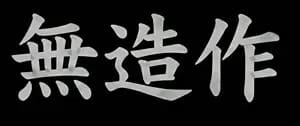
Collectively, the three kanji that make up the adjective “muzosa” can mean different things in Japanese: simple, artless, flowing; it can also mean careless. This description perfectly sums up how we strive to practice our art. It should be simple, effective, efficient, perhaps even easy. It should be so simple and easy that to casual observers, it looks almost carelessly executed. It can be a difficult concept — to defend yourself without seeming to be defensive, to move without seeming to have changed position.
We practice with this concept of “muzosa” in mind. At the highest level, your art is concealed even while you are showing it, which is how we expect a ninja to act.